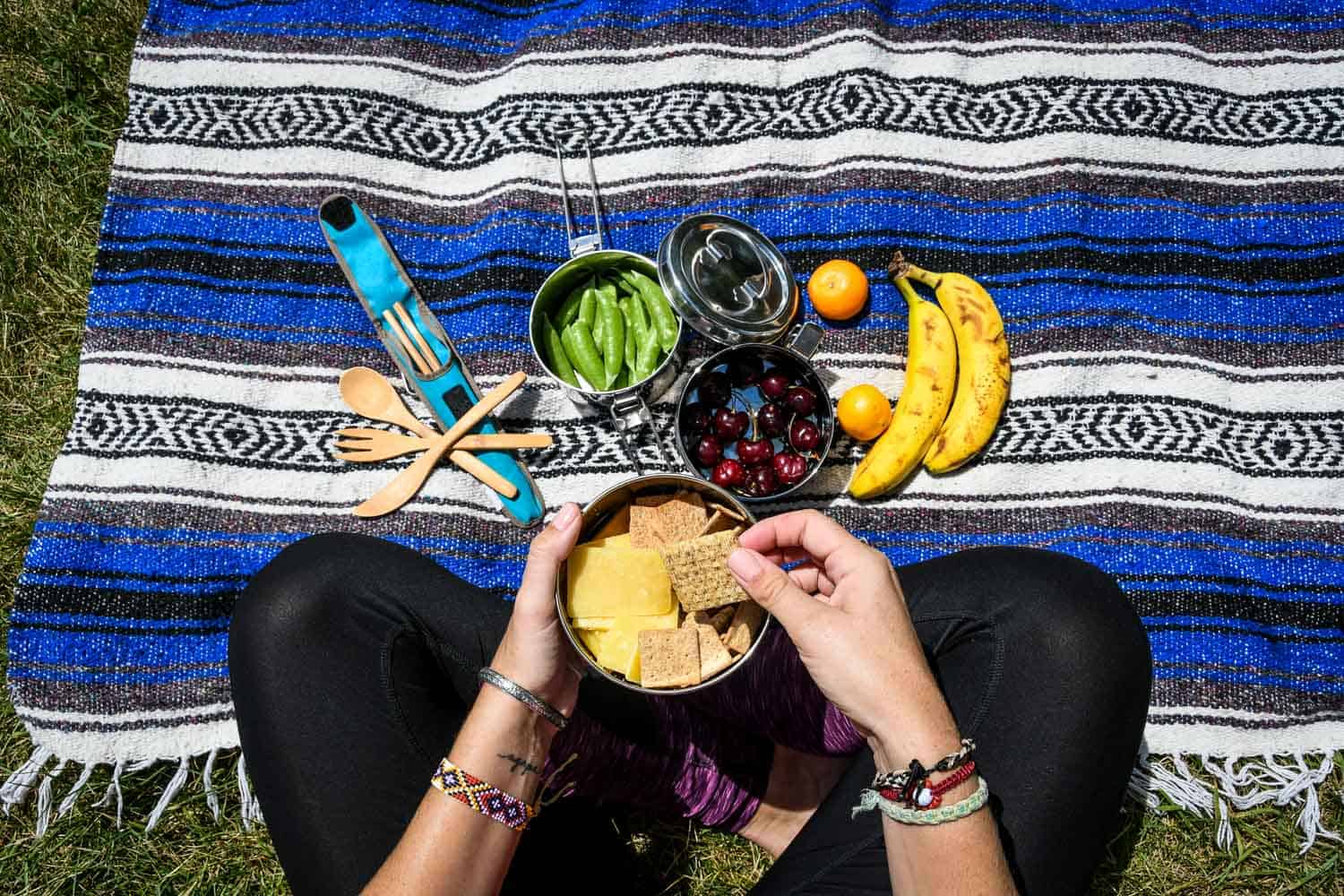
How to Choose the Best Hiking Snacks for Any Trail
For many of us, the joy of hiking isn't just in the breathtaking views or the physical challenge; it's also profoundly linked to the anticipation of a well-deserved trailside treat. There’s a special kind of satisfaction in finding that perfect spot, shedding your pack, and refueling with a delicious snack as you soak in the surroundings you worked hard to reach. But choosing the right sustenance goes far beyond simply staving off hunger. The
best hiking snacks are strategic choices that can make or break your energy levels, mood, and overall safety on the trail.
Just grabbing a random assortment of items from your pantry might suffice for a leisurely stroll in the park, but seasoned hikers know better. The trail demands a different kind of fuel – one that stands up to varying temperatures, provides specific nutrients when you need them most, and is easy to consume on the go. This isn't just about packing food; it's about crafting a trail-tested snack system tailored to your adventure.
Why Your Hiking Snack Strategy Matters (Beyond Just Hunger)
Food on the trail isn't merely about calorie intake; it's about sustained performance, mental clarity, and an enhanced experience. Imagine hitting a sudden energy slump miles from the trailhead, or discovering your perfectly chosen chocolate bar has melted into an unappetizing goo. These small frustrations can quickly detract from the enjoyment of your hike, or worse, compromise your safety.
A well-thought-out hiking snack strategy ensures:
- Sustained Energy: Preventing the dreaded "bonk" or energy crash that can leave you feeling fatigued and discouraged.
- Muscle Function and Recovery: Providing essential nutrients for your body to perform and begin recovering from strenuous activity.
- Mood Elevation: A delicious, well-timed snack can provide a significant psychological boost, especially when the trail gets tough.
- Preparedness: Carrying adequate food is a fundamental aspect of wilderness safety, offering a crucial buffer against unexpected delays or emergencies.
Don't underestimate the power of thoughtful snack planning. It transforms your food from a simple necessity into a strategic asset, ensuring you stay energized, happy, and safe from trailhead to summit and back again.
Key Questions to Ask Before Packing Your Hiking Snacks
Before you even think about specific food items, the most critical step in choosing the
best hiking snacks is to evaluate the nature of your hike. Tailoring your food choices to your adventure's demands is paramount. Here are the fundamental questions to guide your planning:
Assess Your Hike's Profile
- What is the distance of the hike? A short, two-mile loop demands vastly different fuel than a 15-mile trek.
- What is the elevation gain? Significant ascents burn far more calories and require quicker energy replenishment than flat trails.
- How long do you expect the hike to take? This dictates not just the quantity but also the timing of your snacks. A hike stretching past conventional mealtimes will need more substantial options.
- Do you expect the hike to be strenuous? A technically challenging trail or one with steep climbs will deplete your energy reserves faster, necessitating high-energy, easy-to-digest foods.
Information on a hike's distance, elevation gain, and difficulty is often readily available on hiking apps like AllTrails or through park websites. Answering these questions will give you a clear picture of your caloric needs and the types of nutrients you'll require to sustain your effort. For instance, a quick, easy outing might be fine with just an apple and a handful of trail mix, but an all-day, high-elevation challenge will demand a more robust plan of high-energy foods to fuel and replenish your body continually.
Consider Logistical Factors
Beyond the physical demands of the trail, external factors also play a crucial role in your snack strategy:
- What time do I expect to start and end the hike? If your hike starts early and extends beyond lunchtime, you’ll need to pack more than just light snacks. Plan for fuel that can bridge these mealtimes, perhaps even functioning as a mini-meal.
- Are there places to get food nearby? Hiking near a town offers the luxury of a celebratory post-hike meal, making it less critical to pack excessive amounts of food. Knowing that a hot pizza or burger awaits can be a huge motivator during the final miles. Conversely, if you’re tackling a remote trail, you'll want to pack more food than you anticipate needing. Without convenient post-hike refueling options, you might even consider leaving extra provisions in your car for immediate access.
- Is this a heavily trafficked trail or is it pretty remote? Popular trails generally mean more people and easier access to assistance if something goes wrong. Remote backcountry treks, however, demand greater self-sufficiency. In such cases, it’s wise to err on the side of caution and pack a little more food than you might initially deem necessary, creating a vital safety net in case of unforeseen delays or emergencies.
Nutritional Powerhouses: What to Look for in Your Best Hiking Snacks
Understanding the "why" and "when" of hiking snacks sets the stage for the "what." The ideal hiking snack offers a balance of macronutrients designed to provide energy, support muscle function, and keep you feeling satiated. Avoid the common pitfall of packing snacks that turn into "warm paste" in the heat, are "too hard to chew" when your mouth is dry, or simply don't deliver the right kind of energy.
Here’s a breakdown of what to prioritize:
- Carbohydrates: The Energy Engine
- Simple Carbs: For quick, immediate energy boosts. Think fruit, fruit chews, energy gels. These are great for sudden inclines or when you feel an energy dip.
- Complex Carbs: For sustained, slow-release energy. Look for whole grains, oats, and starchy vegetables. These help maintain steady blood sugar levels and prevent crashes over longer durations.
- Proteins: Muscle Repair and Satiety
- Essential for muscle repair and recovery, protein also contributes to a feeling of fullness, which is crucial for staving off hunger during longer efforts. Good sources include jerky, nuts, seeds, and protein bars.
- Healthy Fats: Concentrated Fuel
- Fats are incredibly calorie-dense, providing more than double the energy per gram compared to carbs or protein. They are vital for sustained energy on long hikes and in colder conditions. Nuts, seeds, nut butters, and avocados (if packed carefully) are excellent choices.
- Electrolytes: Balancing Act
- While primarily delivered through hydration, some snacks can contribute to electrolyte balance. Salty snacks can help replenish sodium lost through sweat, which is especially important on hot days.
When selecting the
best hiking snacks, also consider their practicality. They should be lightweight, non-perishable (or at least stable for your hike's duration), easy to eat on the move, and non-messy. For more detailed insights on how specific nutrients perform in various conditions, check out our guide on
Smart Hiking Snacks for Sustained Energy & Any Weather.
Top Categories for Optimal Hiking Fuel
Now that you understand the nutritional framework and key considerations, let's explore categories of snacks that typically perform well on the trail:
- Quick Energy Boosters:
- Dried Fruit: Raisins, cranberries, apricots, mango slices. Excellent source of simple sugars for quick energy.
- Fruit Leathers & Gels: Compact, easy to consume, and deliver rapid carbohydrates.
- Hard Candies/Gummies: A simple sugar hit for a quick pick-me-up or a dry mouth.
- Sustained Energy Providers:
- Trail Mix: A classic for a reason. Combine nuts (almonds, walnuts), seeds (pumpkin, sunflower), dried fruit, and a few chocolate chips for a balanced mix of fats, protein, and carbs.
- Granola Bars & Energy Bars: Look for bars with whole grains, nuts, and lower sugar content for sustained release. Be sure to choose varieties that don't melt into a sticky mess.
- Nut Butters: Peanut, almond, or cashew butter in squeezable packets provide dense calories, healthy fats, and protein. Great on crackers or directly from the pouch.
- Whole Grain Crackers/Pretzels: Provide complex carbs and some sodium.
- Protein-Rich for Recovery & Satiety:
- Jerky (Beef, Turkey, or Plant-Based): High in protein, lightweight, and shelf-stable. Excellent for muscle repair and keeping you feeling full.
- Cheese Sticks/Hard Cheeses: If your hike isn't too hot, these offer protein and fat.
- Hard-Boiled Eggs: Best for shorter hikes and cooler weather due to perishability, but a fantastic source of protein.
- Hydrating & Refreshing Options:
- Fresh Fruit: Apples, oranges, grapes. Offer natural sugars and valuable hydration. Pack carefully to avoid bruising.
- Cucumber/Bell Pepper Slices: High water content, refreshing, and adds variety.
Remember, the true test of any snack is on the trail itself. What works for one person might not work for another. We strongly recommend trying out different options on shorter hikes before committing to them for a long adventure. For more specific, trail-tested snack ideas and how they perform in real-world conditions, be sure to read our detailed article:
Trail-Tested Hiking Snacks: Fuel Your Adventure Right.
Smart Snacking Strategies for the Trail
Beyond what you pack, how you manage your snacks can significantly impact your hiking experience.
- Eat Early and Often: Don't wait until you're ravenously hungry. Small, frequent snacks keep your energy levels stable and prevent extreme hunger pangs.
- Accessibility is Key: Store your frequently consumed snacks in easily accessible pockets of your pack or even your pant pockets. You don't want to stop and rummage every time you need a bite.
- Temperature Management: Be mindful of the weather. On hot days, avoid chocolate or anything prone to melting. In cold weather, ensure snacks aren't so hard they become difficult to chew.
- Hydration Integration: Pair your snacks with sips of water. Proper hydration is critical for your body to process and utilize the nutrients effectively.
- Leave No Trace: Always pack out everything you pack in, including all wrappers and food scraps (even fruit peels). Our wild spaces depend on it.
Conclusion
Choosing the
best hiking snacks is more than just an afterthought; it’s a vital component of a successful and enjoyable hiking experience. By thoughtfully considering the demands of your trail, understanding the nutritional needs of your body, and selecting practical, effective fuel sources, you equip yourself for any challenge. From preventing energy bonks to boosting your mood and ensuring your safety, a well-planned snack strategy empowers you to fully immerse yourself in the beauty of the outdoors. So, before your next adventure, take the time to plan your trail treats – your body and your mind will thank you for it.