Trail-Tested Hiking Snacks: Fuel Your Adventure Right
For many outdoor enthusiasts, the joy of hitting the trail is inextricably linked with the anticipation of a well-deserved snack break. It's more than just staving off hunger; it's about finding that perfect scenic spot, resting weary legs, and savoring delicious fuel while soaking in breathtaking views. Yet, too often, hikers—especially novices—underestimate the strategic importance of their trail provisions. Simply grabbing a random assortment of items from the pantry can lead to discomfort, bonking, and even a less enjoyable, or safe, experience. That's why understanding the criteria for the best hiking snacks is paramount for any successful adventure.
We're diving deep into what makes a snack truly "trail-tested," moving beyond mere calorie counts to consider practicality, nutritional impact, and resilience against the elements. From quick energy boosts to sustained fuel for the long haul, we'll guide you through planning your ultimate trail menu.
Why Strategic Snacking is Non-Negotiable on the Trail
Imagine pushing through a strenuous incline, muscles burning, only to realize your chosen energy bar has melted into an unappetizing paste, or your "healthy" nuts are too hard to chew with a dry throat. These common mishaps highlight why haphazard snack selection often fails the moment you hit the dirt. Hiking isn't just a walk in the park; it's a physically demanding activity that requires a continuous supply of energy to maintain performance, mood, and safety.
- Beyond Just Hunger: Fueling Performance and Enjoyment: Your body is a machine, and hiking is its workout. Proper fuel ensures your muscles have the glycogen they need, helps prevent fatigue, and keeps your mental focus sharp. A well-timed, delicious snack can also provide a significant psychological boost, transforming a challenging section of trail into a moment of pure satisfaction. That sense of accomplishment paired with a tasty bite truly enhances the overall hiking experience.
- The Pitfalls of Poor Snack Planning: The consequences of inadequate or unsuitable snacks can range from minor annoyances to serious safety concerns. "Bonking" – a sudden and severe energy crash – can turn a pleasant trek into a struggle. In more remote areas, where help isn't readily available, compromised energy levels can impair judgment and lead to dangerous situations. Moreover, snacks that don't hold up to trail conditions (heat, cold, moisture, crushing) can become unpalatable, leaving you without necessary sustenance when you need it most.
Crafting Your Perfect Trail Menu: Factors to Consider
The quest for the best hiking snacks begins not at the grocery store, but with a thorough assessment of your planned hike. Just as you wouldn't wear flip-flops on a mountaineering expedition, you shouldn't pack a single apple for a multi-day trek. The type of adventure dictates the type and quantity of fuel required.
Assessing Your Hike: Distance, Elevation, and Duration
Before you even think about what food to pack, ask yourself critical questions about the hike itself:
- What is the distance and expected duration of the hike? A quick two-mile stroll demands far less fuel than a twenty-mile thru-hike. For shorter outings (under 2-3 hours), lighter snacks like a piece of fruit or a small handful of trail mix might suffice. Longer hikes necessitate a more substantial caloric intake, often requiring meal replacements in addition to snacks.
- What is the elevation gain and overall difficulty? Steep ascents burn significantly more calories than flat terrain. A strenuous, high-elevation hike will deplete your energy reserves faster, requiring a greater volume of high-energy foods to both fuel and replenish your body.
Tools like hiking apps (e.g., AllTrails) are invaluable for gathering this information, providing details on distance, elevation profiles, and estimated completion times. Knowing these specifics will directly inform how much food to bring and the nutritional profile it needs to offer. For a more in-depth guide on tailoring your choices, check out our article on How to Choose the Best Hiking Snacks for Any Trail.
Timing and Logistics: When, Where, and What's Next?
Beyond the trail's statistics, external factors play a crucial role in your snack strategy:
- What time do you expect to start and end the hike? If your hike begins early and extends past lunchtime, a few light snacks won't cut it. You'll need to pack enough to bridge those mealtimes, essentially carrying a portable lunch in addition to your regular snack supply.
- Are there places to get food nearby after the hike? If you're hiking close to a town or trailhead with amenities, you might feel less pressure to overpack. The promise of a celebratory burger or pizza post-hike can mean you can get by with slightly less on the trail, knowing a substantial meal awaits. However, never rely entirely on this if you're prone to "hangry" moments!
Remote vs. Popular Trails: Preparedness is Key
The environment of your hike also dictates your packing philosophy:
- Heavily Trafficked Trails: On popular routes, there's a higher chance of other people being around to offer assistance if you run into trouble. While you should always be prepared, the need for extreme excess in provisions might be slightly less critical.
- Remote or Wilderness Trails: This is where preparedness truly shines. In remote areas, you'll want to pack more food than you think you'll need. There's no convenient store around the corner, and in the event of an unexpected delay, injury, or getting lost, extra food can be a critical survival asset. It's always wise to err on the side of caution and carry a "just in case" buffer, perhaps even leaving some emergency rations in your car at the trailhead.
What Makes the Best Hiking Snacks Truly "Trail-Tested"?
My 15+ years of hiking experience have shown me that a snack's "healthiness" on paper doesn't always translate to effectiveness on the trail. A truly trail-tested snack performs when you're sweating, climbing, or descending, providing steady energy without unnecessary bulk or inconvenience.
Nutritional Powerhouses: Sustained vs. Quick Energy
The ideal hiking snack offers a balance of macronutrients to meet different energy demands:
- Carbohydrates: These are your body's primary and quickest source of energy. Simple carbohydrates (sugars) offer a fast boost, perfect for immediate energy surges before an incline or when you feel your energy lagging. Complex carbohydrates provide a slower, sustained release of energy, helping to maintain stable blood sugar levels over longer periods.
- Fats: While calorie-dense, fats are a superb source of sustained energy for endurance activities. They burn slowly, providing a steady fuel supply for long hikes.
- Proteins: Essential for muscle repair and recovery, protein also contributes to satiety, helping you feel fuller for longer. It's a key component for preventing muscle fatigue on extended treks.
Look for snacks that intelligently combine these elements. For example, a handful of almonds (healthy fats, protein, some carbs) offers more sustained energy than a pure sugar candy bar, which provides a quick spike and then a crash. To truly understand how to optimize for any weather and sustained output, our guide Smart Hiking Snacks for Sustained Energy & Any Weather offers invaluable insights.
Practicality on the Path: Durability, Palatability, and Ease of Consumption
This is where many "good" snacks fail. A snack is only good if you can and will actually eat it:
- Durability: Will it withstand being jostled, squashed, or exposed to temperature extremes in your pack? Chocolate bars often melt into a gooey mess in warm weather, while delicate crackers can crumble. Opt for items that hold their shape and integrity.
- Palatability: When you're exerting yourself, your senses can be dulled, and your throat might be dry. A snack that's too hard, too dry, or requires extensive chewing can be difficult or unpleasant to consume. Think about items that are easy to swallow and don't require much moisture, or pair them with a sip of water.
- Ease of Consumption: Can you eat it on the go, or does it require you to stop, unpack, and potentially create a mess? Snacks that are individually wrapped, easy to open, and can be eaten with minimal fuss are ideal. Avoid anything that requires cutlery or a plate unless you're planning a dedicated meal break.
Top Picks for Trail-Tested Hiking Snacks
While personal preferences vary, certain categories of snacks consistently prove to be the best hiking snacks due to their nutritional profile and trail-ready characteristics.
Quick Boosts When You Need Them Most
These are your go-to for immediate energy when you feel a dip or before tackling a steep section:
- Energy Gels & Chews: Designed for athletes, these provide concentrated, fast-acting carbohydrates. They're lightweight, easy to consume on the move, and don't require chewing.
- Dried Fruit: Raisins, apricots, cranberries, and mango slices offer natural sugars for a quick energy spike, along with some fiber and vitamins. Look for options without excessive added sugar.
- Fruit Leathers: A less messy alternative to fresh fruit, offering concentrated fruit sugars.
Long-Lasting Fuel for the Long Haul
These provide sustained energy, helping to keep you going for hours:
- Nuts & Seeds: Almonds, walnuts, cashews, peanuts, pumpkin seeds, and sunflower seeds are packed with healthy fats, protein, and fiber. They're calorie-dense and provide excellent sustained energy.
- Nut Butters (in squeezable pouches): Peanut butter, almond butter, or cashew butter offer a powerful combination of healthy fats and protein. Pouches are convenient and mess-free.
- Jerky & Meat Sticks: Excellent sources of lean protein, which aids muscle recovery and satiety. They're durable and require no refrigeration.
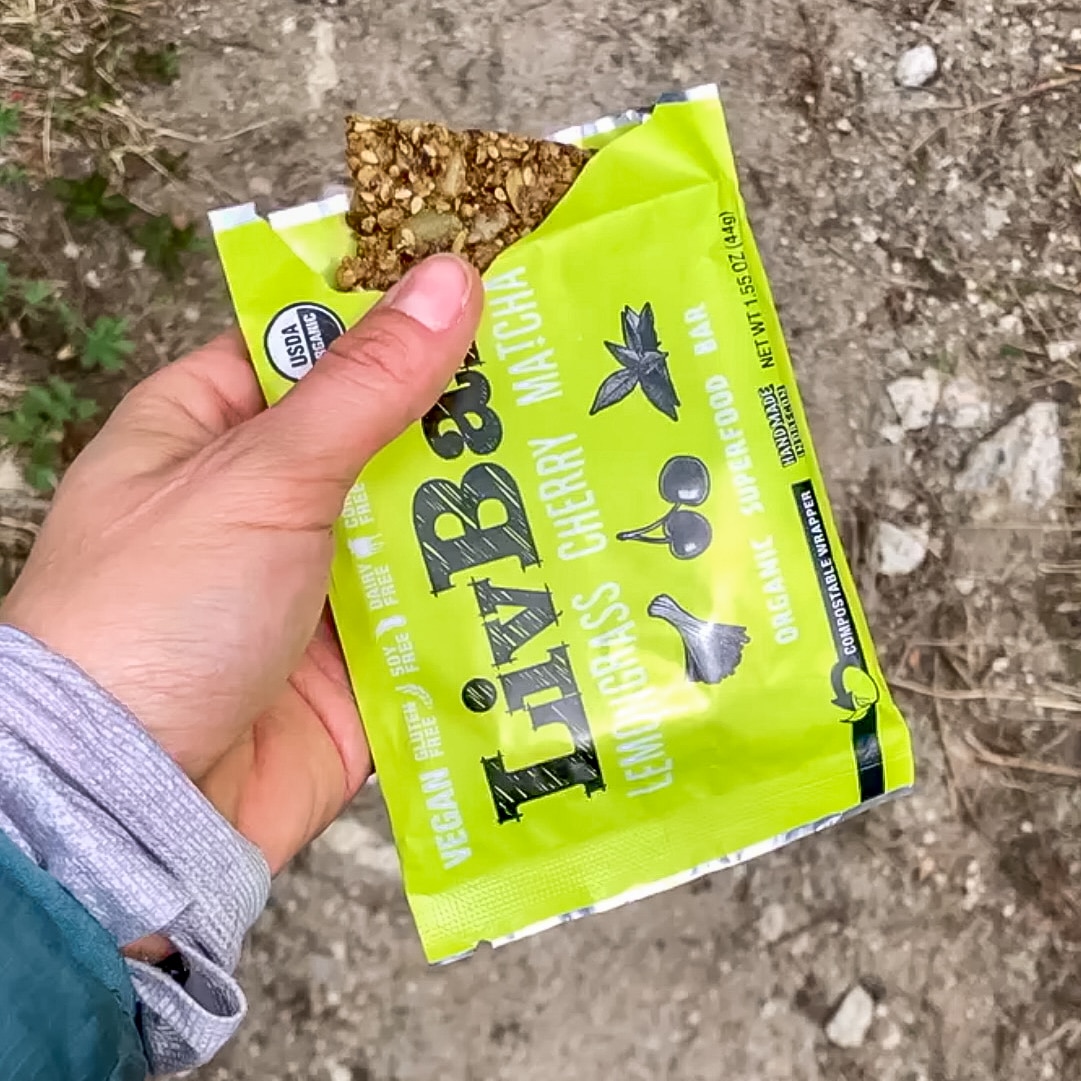
- High-Quality Energy Bars: Look for bars with a balanced macronutrient profile – a good mix of complex carbs, protein, and healthy fats. Avoid those that are mostly sugar and fall apart easily.
- Cheese Sticks/Hard Cheeses: If temperatures permit, hard cheeses provide fat and protein. They pair wonderfully with crackers or dried fruit.
Hydration Helpers
While not strictly "snacks," these complement your food intake by supporting hydration:
- Electrolyte Drink Mixes: Crucial for replenishing salts lost through sweat, especially on hot days or during strenuous activity. Powders or tablets can be added to your water bottle.
- Water-Rich Fruits/Vegetables (for shorter, cooler hikes): Cucumber slices, orange segments, or bell pepper strips can offer a refreshing boost and contribute to hydration. They are less suitable for long or hot hikes due to weight and perishability.
Conclusion
The journey to finding your best hiking snacks is a personal one, but it's guided by universal principles of thoughtful planning and practical application. By considering the demands of your hike, understanding the nutritional needs of your body, and prioritizing durability and ease of consumption, you can assemble a trail menu that not only wards off hunger but actively enhances your adventure. So, before your next outing, take the time to plan your provisions wisely. Fuel your body right, and you'll unlock the full potential of every step on the trail, making memories that are as satisfying as that perfectly timed snack with a view.
