Smart Hiking Snacks for Sustained Energy & Any Weather
For many of us, the thought of hitting the trails goes hand-in-hand with planning out the perfect provisions. It's an undeniable truth: food is almost always on our minds, especially when anticipating a rewarding hike! There’s a unique satisfaction in finding that ideal scenic spot, resting weary legs, and savoring some well-deserved fuel while soaking in the views you've worked hard for. To truly elevate that experience and ensure you have the stamina for every step, choosing the
best hiking snacks isn't just a luxury – it's a necessity.
Far too often, hikers—especially those new to the wilderness—grab random items off a grocery store shelf, only to find them unsuitable once the real trail challenges begin. A seemingly good energy bar at home might turn into a melty, unappetizing paste in the heat. A crunchy trail mix could be a struggle to swallow when your throat is dry. This article isn't just a random list; it's a guide to developing a smart, trail-tested snack system designed to fuel you effectively, whether you're climbing a steep ascent, navigating a long descent, or simply enjoying a steady pace across varied terrain. We’ll explore what to pack to provide both quick energy and long-lasting sustenance, keeping you powered through any weather condition.
Why Smart Snacking is Crucial for Your Hike
Hiking is an incredible full-body workout that burns significant calories and puts demands on your muscles and cardiovascular system. Without proper nutrition, your energy levels can plummet, leading to fatigue, reduced enjoyment, and potentially even safety concerns. Smart snacking means more than just warding off hunger; it’s about strategic fueling and replenishment.
Imagine hitting the infamous "bonk" halfway through a challenging climb, feeling your muscles ache and your brain fog. This isn't just unpleasant; it can impact your judgment and coordination. The right snacks provide:
*
Consistent Energy: Preventing blood sugar crashes and maintaining steady power.
*
Muscle Repair & Recovery: Essential proteins help your body bounce back faster.
*
Mental Clarity: Keeping your mind sharp for navigation and problem-solving.
*
Electrolyte Balance: Especially important when sweating, to prevent cramps and dehydration.
*
Enjoyment: Let’s face it, a tasty snack can be a significant morale booster!
Experienced hikers understand that a well-packed snack bag is as important as good boots or a reliable map. It's an investment in your performance, safety, and overall enjoyment of the outdoors.
How to Choose the Best Hiking Snacks: A Pre-Hike Checklist
Before you even think about individual items, the most important step is to assess the demands of your specific adventure. Randomly throwing a few things into your pack simply won't cut it for optimal performance and enjoyment. Asking yourself a few key questions can dramatically improve your snack strategy. For a deeper dive into this planning process, check out our guide on
How to Choose the Best Hiking Snacks for Any Trail.
Assess Your Hike's Demands
Your hike’s profile dictates the quantity and type of fuel you’ll need. Consider:
*
Distance and Elevation Gain: A short, flat stroll will require far less energy than a multi-mile trek with significant elevation changes. The greater the distance and climb, the more calories you'll burn, and thus, the more substantial and energy-dense snacks you'll need.
*
Expected Duration: Will your hike last an hour or span most of the day? Longer hikes necessitate more frequent fueling opportunities and a greater variety of snacks to avoid palate fatigue.
*
Strenuousness: Is it a leisurely walk or a challenging climb? Strenuous hikes demand quick-release carbohydrates for immediate energy and sustained-release options for prolonged effort, along with protein for muscle support.
Tools like hiking apps (e.g., AllTrails) can provide valuable information on these metrics, helping you plan accordingly. On a short, easy walk, an apple and a handful of trail mix might suffice. But for a challenging, all-day adventure, you'll need a strategic mix of high-energy foods to both fuel your initial efforts and replenish your reserves.
Consider Your Schedule & Surroundings
Beyond the trail itself, your broader schedule and environment play a role:
*
Start and End Times: If your hike starts early and stretches past traditional mealtimes, you'll need to pack more than just light bites. Think about covering breakfast and lunch calories within your snack strategy.
*
Proximity to Food Sources: Is your trail near a town where you can grab a well-deserved meal afterward? If so, you might pack slightly less knowing a hearty meal awaits. There’s nothing quite like earning a pizza or burger post-hike! However, for remote trails, assume no external food sources and pack an emergency buffer, perhaps even stashing some extra sustenance in your car for when you return.
*
Trail Popularity & Remoteness: While not directly related to nutrition, the remoteness of a trail influences your safety preparedness, which includes food. On a heavily trafficked trail, help is usually nearby if an issue arises. On a remote, less-trafficked route, you’ll want to be extra prepared, meaning packing more food than you might initially think you need, just in case of unexpected delays or emergencies.
Nutritional Needs: Beyond Just Calories
It's tempting to grab any high-calorie snack, but smart choices prioritize balanced nutrition. The goal is to provide your body with different types of fuel for different stages of your hike:
*
Carbohydrates: Your primary energy source. Look for both simple carbs (for quick energy bursts, like dried fruit) and complex carbs (for sustained release, like whole grains).
*
Proteins: Essential for muscle repair and recovery, and they also help you feel full longer. Think nuts, jerky, cheese.
*
Healthy Fats: A dense source of calories for long-lasting energy. Almonds, walnuts, and avocado (if practical) are great options.
*
Electrolytes: When you sweat, you lose more than just water; you lose vital salts. Replenishing these with salty snacks or electrolyte drinks can prevent cramping and fatigue, especially in warmer weather.
Avoid snacks packed with simple sugars that lead to a rapid energy spike followed by an inevitable crash. A balanced approach ensures steady energy levels throughout your journey.
Trail-Tested Favorites: The Best Hiking Snacks for Any Adventure
Based on years of on-trail experience, certain snacks consistently outperform others. These aren't just random grocery store finds; they're choices that work when you're sweating, climbing, and need reliable fuel without weighing down your pack. For more specific, tried-and-true recommendations, be sure to read our detailed guide,
Trail-Tested Hiking Snacks: Fuel Your Adventure Right.
For Quick Energy Bursts
These are ideal for immediate replenishment during tough sections or when you feel your energy dipping.
*
Dried Fruit: Apricots, mangoes, raisins, cranberries are packed with natural sugars for quick energy. They're lightweight, non-perishable, and easy to eat.
*
Fruit Pouches/Purees: Great for hydration and simple sugars, these are also incredibly easy to consume without much chewing, especially if your mouth is dry.
*
Energy Gels/Chews: Designed for athletes, these provide a concentrated hit of carbohydrates, often with added electrolytes. Perfect for high-intensity efforts.
For Sustained Power & Endurance
These snacks provide a steady release of energy, keeping you going for longer periods. They often combine complex carbs, healthy fats, and protein.
*
Trail Mix: The classic for a reason. Opt for a mix of nuts (almonds, walnuts, cashews) for healthy fats and protein, seeds (pumpkin, sunflower) for micronutrients, dried fruit for quick energy, and perhaps a few dark chocolate chips for a treat and antioxidants. Making your own allows for customization and avoids excessive sugar or unhealthy oils.
*
Nut Butters: Almond, peanut, or cashew butter provides dense calories, protein, and healthy fats. Single-serving pouches are fantastic for convenience – pair them with whole-grain crackers, apple slices, or eat directly.
*
Energy Bars & Granola Bars: Not all bars are created equal. Look for bars with whole food ingredients, a good balance of carbs, protein, and fat, and lower sugar content. Avoid bars that are essentially glorified candy bars. Brands focusing on oats, nuts, and seeds are often a safe bet.
*
Hard Cheeses: Varieties like cheddar, Gouda, or Parmesan can be surprisingly portable and offer excellent protein and fat. Pair with whole-grain crackers for a more complete mini-meal.
*
Jerky (Beef, Turkey, or Plant-Based): An excellent source of lean protein, jerky helps with muscle recovery and satiety. It’s also lightweight and doesn't spoil easily.
*
Whole Grain Crackers or Pretzels: Good complex carbohydrates that provide steady energy. Pretzels also offer a welcome salt boost for electrolyte replacement.
Weather-Wise & Texture-Friendly Choices
The trail conditions heavily influence how enjoyable (or even edible) your snacks will be.
*
In the Heat: Avoid chocolate, soft candies, or anything that will melt into a sticky mess. Stick to dried fruits, nuts, jerky, hard-boiled eggs (if consumed early), shelf-stable cheese, and certain tougher energy bars. Pack items in sturdy containers or multiple zip-top bags to prevent crushing and leaks.
*
In the Cold: Some items can become rock-hard and difficult to chew in freezing temperatures. Opt for softer energy bars, fruit leathers, and less brittle items. Insulated snack bags can help prevent freezing.
*
When Dry or Thirsty: Crispy or crumbly snacks can exacerbate a dry throat. Prioritize softer, chewier items like dried fruit, fruit pouches, softer energy bars, or snacks that don't require much chewing. Always have plenty of water to wash down denser foods.
Essential Snacking Tips for the Trail
Beyond choosing the right items, how you manage your snacks on the trail is equally important.
*
Hydration is Key: No matter how great your snacks are, they can't perform without adequate hydration. Drink water consistently throughout your hike, and consider an electrolyte drink for longer, more strenuous efforts or hot weather.
*
Snack Early and Often: Don't wait until you're ravenous or hitting the wall. Little and often is the mantra. Small, frequent snacks maintain steady energy levels and prevent drastic drops. Aim for a bite every hour or so, even if you don't feel acutely hungry.
*
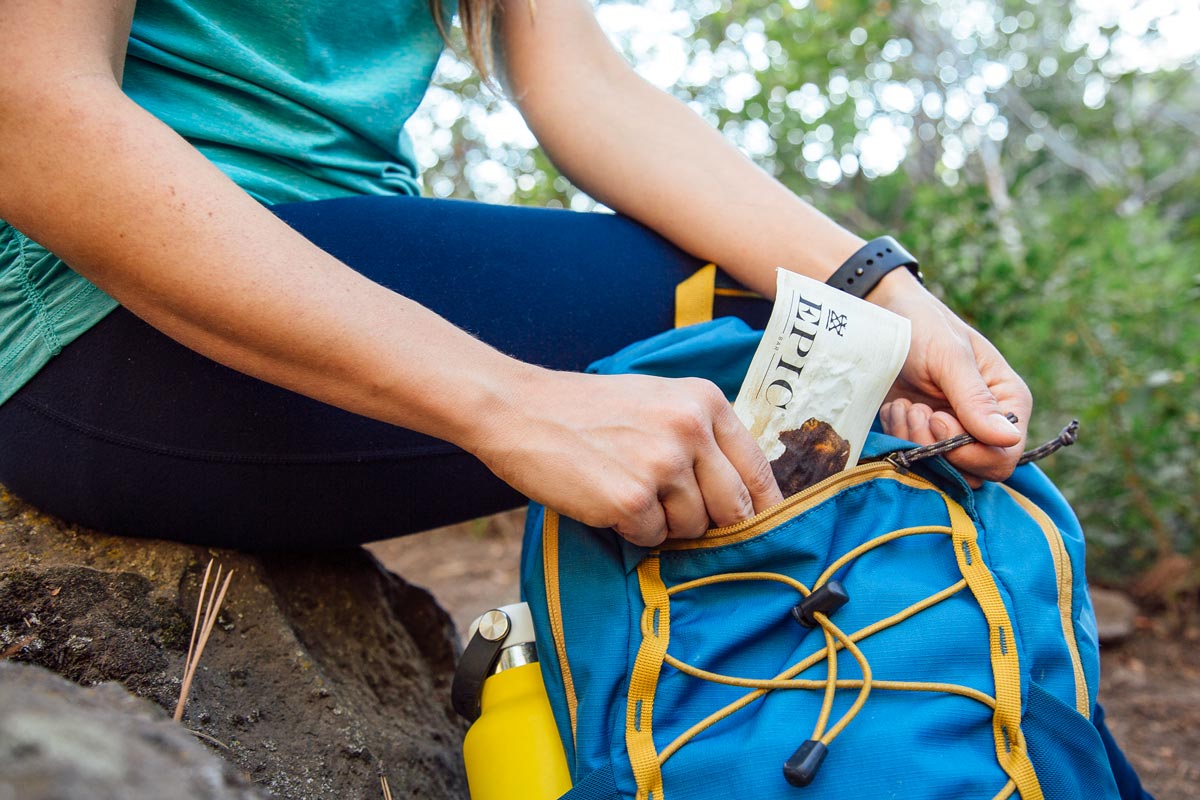
Accessibility: Keep some of your go-to snacks in an easily accessible pocket of your pack or hip belt. Fumbling through your main compartment for a quick bite can be a hassle, especially on the move.
*
Pack-In, Pack-Out: Adhere strictly to Leave No Trace principles. Everything you bring in, you must bring out – including all wrappers, fruit peels, and crumbs. A small trash bag is an essential item.
*
Listen to Your Body: Everyone's metabolism and energy needs are different. Pay attention to how different snacks make you feel. Do you get a burst of energy, or do you crash? Adjust your choices for future hikes based on your personal response.
*
Emergency Buffer: Always pack a little more food than you think you’ll need. Unexpected delays, getting off-trail, or needing to share with a fellow hiker in distress are all possibilities. An extra energy bar or bag of nuts can be a lifesaver.
Conclusion
Embarking on a hike, whether it’s a leisurely stroll or a challenging expedition, is an enriching experience that deserves proper preparation. The role of smart snacking cannot be overstated; it’s the fuel that powers your adventure, sustains your spirit, and ensures your safety. By thoughtfully considering your hike’s demands, your personal needs, and the environmental conditions, you can curate a selection of the
best hiking snacks that provide both quick energy and lasting sustenance. So, plan well, pack smart, and enjoy every energized step of your journey. Happy trails!